
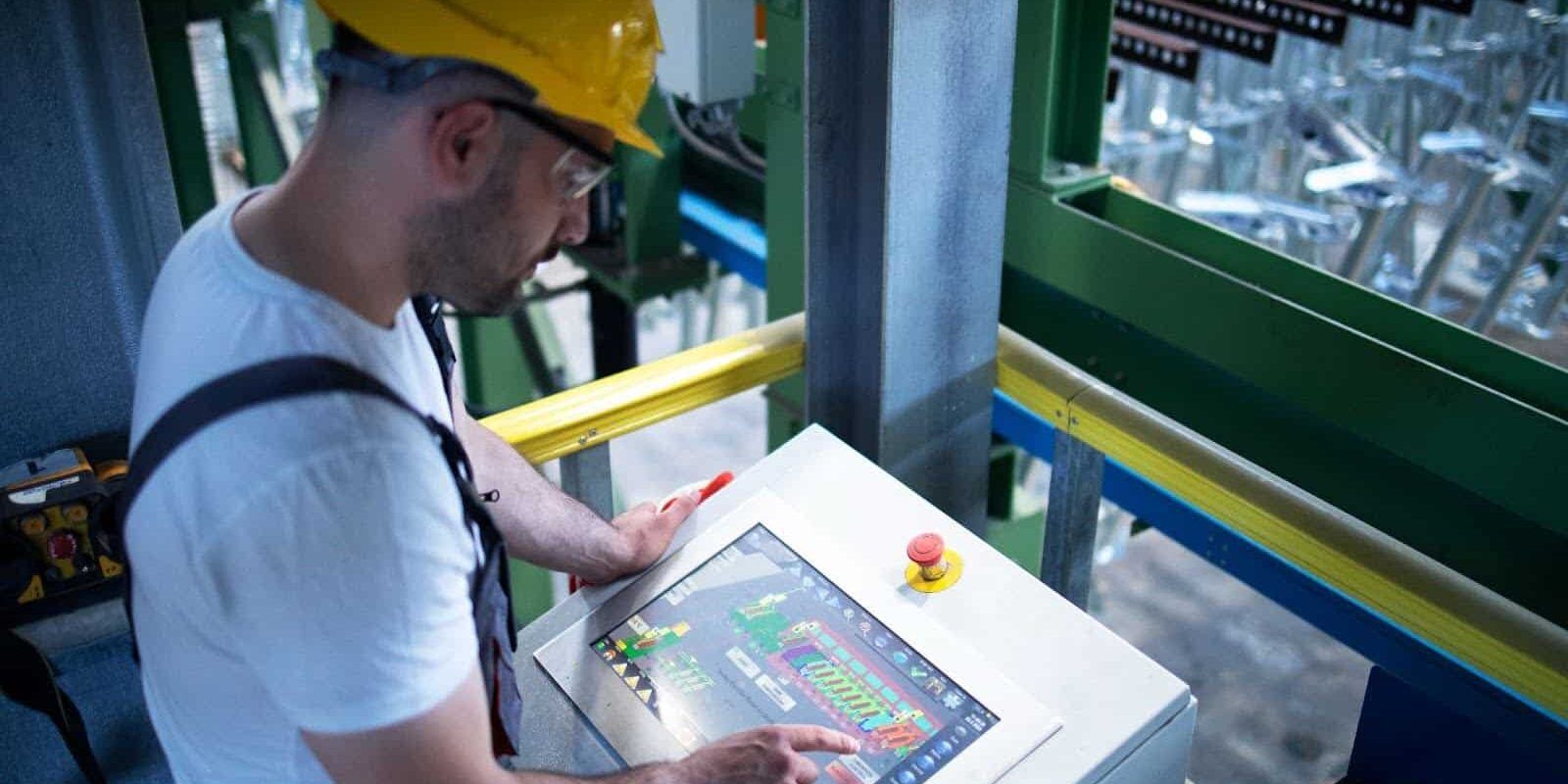
Let’s be honest. Most food plants didn’t grow clean and organized. They evolved. One line added here, one software there, something patched together after an audit panic. And now people talk about food system integration solutions like it’s just plug-and-play. It’s not. You’re dealing with legacy machines, half-working spreadsheets, and operators who trust what they can see, not what some dashboard says. That gap? That’s where things break. Integration isn’t just technical—it’s cultural, messy, and sometimes frustrating as hell.
What “Food System Integration Solutions” Really Mean on the Floor
Strip away the buzzwords, and it comes down to this: getting your systems to talk to each other without someone manually fixing the conversation. Your ERP, your MES software solutions, your SCADA monitoring system—they should move data cleanly. No delays. No double entry. Real-time visibility, not yesterday’s numbers pretending to be current. When integration is done right, production, quality, and inventory all line up. You stop guessing. You start knowing. And that shift changes everything.
System Integration Methodology Isn’t Just a Fancy Term
People throw around “system integration methodology” like it’s some rigid framework. It shouldn’t be. In real plants, it’s more like controlled improvisation. You assess what’s already there, identify what absolutely needs to connect, and prioritize based on impact—not theory. Start small. Maybe integrate your food manufacturing inventory software with production data first. Get that stable. Then expand. Trying to do everything at once? That’s how projects stall and budgets explode. Seen it too many times.
MES Software Solutions and Real-Time Production Clarity
Here’s where things start to click. MES software solutions sit between planning and execution, and when integrated properly, they give you something rare—clarity. You can see what’s running, what’s delayed, what’s wasting time. Not later. Now. Pair that with a SCADA monitoring system and suddenly machine data isn’t locked inside equipment anymore. It’s visible, usable. Operators stop relying on gut feel alone. Managers stop chasing reports. It tightens the whole operation, even if the first few weeks feel a bit chaotic.
Inventory and Process Control: Where Integration Pays Off Fast
If you want quick wins, look at inventory. Food manufacturing inventory software tied into production and procurement can eliminate a lot of noise. No more over-ordering because “we think we’re low.” No more scrambling because the system said you had stock that doesn’t exist. Add in food process manufacturing software, and now you’re controlling how ingredients move through the plant, not just tracking them. It’s not flashy. But it saves money. And time. Usually both.
The Role of Food and Beverage Manufacturing Software Today
There’s been a surge in tools labeled as food and beverage manufacturing software. Some are good. Some… not so much. The strong ones actually understand process manufacturing, not just discrete assembly logic slapped onto food workflows. They handle batch tracking, compliance, traceability, and weird edge cases like rework or variable yields. If your software can’t handle those, it’s not built for food. Simple. Integration solutions rely heavily on these platforms being flexible enough to connect across systems without breaking every time you tweak a recipe.
Do Small and Mid-Sized Plants Really Need Integration?
Short answer? Yes. Maybe even more than large plants. Smaller operations often rely on manual workarounds that don’t scale. Integration doesn’t have to be massive or expensive. Start with one connection that removes daily friction. That alone can justify the effort. Over time, those small integrations stack up into something powerful.
How Long Does It Take to See Results from Integration?
Depends on how you approach it. Big-bang projects drag on forever. Focused integrations? You might see improvements in weeks. Especially in areas like traceability or production tracking. The key is not overbuilding. Solve real problems first. The ROI shows up faster when you’re not chasing perfection.
Conclusion: Integration Isn’t Optional Anymore, It’s Survival
Here’s the blunt truth—food manufacturing is getting more complex, not less. Regulations tighten. Margins shrink. Customers expect transparency. Without solid food system integration solutions, you’re constantly reacting instead of operating. And that gets exhausting. The good news? You don’t need a perfect system. You need a connected one. Start where it hurts the most. Fix that. Then keep going. That’s how real plants improve, not with grand plans, but with steady, practical integration that actually sticks.