
Not gonna sugarcoat it but tiny house regulations are a mess. One county says yes, another says absolutely not, and the next one wants paperwork that feels longer than building the house itself. If you’ve been looking into tiny homes, you’ve probably noticed this already. It’s not just about building something small and calling it a day. Zoning laws, building codes, and local ordinances all get involved. And they don’t always agree with each other. That’s where most people get stuck, honestly. They assume a tiny home is simple. It isn’t. Not legally, anyway.
Zoning Laws: The First Wall You’ll Hit
Before you even think about buying tiny home kits for sale, check zoning. Seriously. Zoning decides if you can even place a tiny house on land. Some areas classify them as RVs, others as accessory dwelling units, and a few don’t recognize them at all. That’s where an ADU builder can actually help a lot. They’ve dealt with local rules before, they know what flies and what doesn’t. It saves time, and a lot of frustration. You don’t want to finish a build only to realize you can’t legally park it anywhere.
Tiny Homes on Wheels vs Foundations
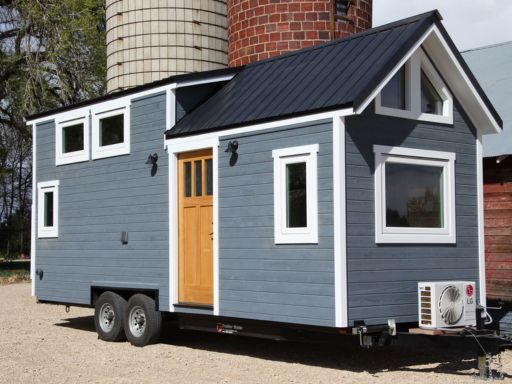
Here’s a big split that confuses people. Tiny homes on wheels are usually treated like RVs. That means different rules, sometimes looser, sometimes stricter. If it’s on a tiny home trailer, you might avoid some building codes, but then you run into parking restrictions. On the other hand, a foundation-built tiny home often has to meet residential building codes. Which are… not tiny-friendly. Ceiling height, room size, stair rules, all that stuff. You can see where it gets tricky.
Building Codes Aren’t Built for Tiny Living
Most building codes were written for standard houses. Big ones. So when you try to apply them to tiny homes, things don’t line up well. For example, loft spaces. People love them in tiny houses, but codes often don’t recognize them as legal sleeping areas. Stairs vs ladders is another one. Codes want stairs. Tiny houses want ladders or steep steps. An experienced ADU builder usually knows how to work around these issues, or at least how to design within the rules without killing the whole vibe of the house.
The Role of Tiny House Trailers
Let’s talk about tiny house trailers for a second. These aren’t just regular trailers. They’re specifically designed to carry the weight and structure of a tiny home. And yes, regulations touch them too. Weight limits, road legality, width restrictions. You can’t just build whatever you want and tow it safely. If your tiny home trailer setup doesn’t meet transport laws, you’re not going anywhere. This is one of those things people overlook until it’s too late.
Permits, Paperwork, and the Reality Check
Nobody likes permits. But you’re probably going to need them. Even if you’re placing a tiny home on private land, local authorities usually want some say. Electrical, plumbing, structural safety, it all comes into play. Some people try to skip this step. It rarely ends well. Working with an ADU builder can smooth this process out, since they already know the system. They speak the language, so to say. It’s not fun, but it’s part of doing it right.
Can You Actually Live in a Tiny House Full-Time?
Short answer? Depends where you are. Some places allow full-time living in tiny homes, others only allow them as temporary or secondary units. That’s where the ADU classification matters. If your tiny house qualifies as an accessory dwelling unit, you’ve got more flexibility. If it’s treated like an RV, things get limited fast. This is why understanding tiny house regulations early matters. It shapes everything, from design to location to cost.
FAQs About Tiny House Regulations
Do I need a permit for a tiny house?
Most likely, yes. Even if it’s on wheels, you may need permits for placement or utilities.
Are tiny homes legal everywhere?
No. Laws vary a lot by location. Some areas fully support them, others barely allow them.
What’s the difference between a tiny home and an ADU?
An ADU is a legal classification. A tiny home can be an ADU if it meets local requirements.
Can I build a tiny house myself?
You can, but working with an ADU builder helps avoid legal mistakes that are hard to fix later.
Conclusion: It’s Not Simple, But It’s Worth It
Tiny house regulations aren’t simple. They’re frustrating, inconsistent, and sometimes feel outdated. But they’re not impossible to navigate either. If you take the time to understand zoning, building codes, and how things like tiny house trailers fit into the picture, you’re already ahead of most people. And yeah, getting help from an ADU builder can make the process smoother. At the end of the day, tiny living is still doable. You just have to play the game a little smarter.