
You’ve been scrolling Zillow again. I get it. Rent’s insane, mortgages feel impossible, and that little voice keeps whispering “what if I just… downsized?” So you type in tiny house for sale near me in Colorado and suddenly there’s a thousand glossy photos of gorgeous little wood cabins on wheels. But here’s the thing nobody tells you. Finding an actual tiny house for sale near me in Colorado that you can legally park overnight? That’s the real headache. Don’t let the pretty pictures fool you.
The Colorado Catch You Didn’t See Coming
Look, I love this state. Mountains, sunsets, that dry air that makes everything feel possible. But Colorado’s zoning laws are a patchwork mess. One county says yes to your tiny home trailer. The next county over says absolutely not. And the ones that say “maybe”? They bury you in paperwork. I’ve talked to folks who bought a gorgeous little unit only to realize they couldn’t put it anywhere except an RV park that charges $800 a month. That’s not freedom, that’s just a smaller cage. So before you get your heart set on that cute loft ladder, figure out where the thing will sleep at night.
Why an ADU for Sale Might Be Your Actual Answer
Here’s where people get smart. Instead of chasing a tiny house on wheels, they start searching “ADU for sale” and suddenly the game changes. An ADU—accessory dwelling unit—is basically a tiny house that stays put. It sits in someone’s backyard or on a spare piece of land. And Colorado’s been loosening up ADU laws like crazy over the last two years. Denver, Boulder, even parts of Colorado Springs are making it easier to build or buy an existing ADU. Why? Because the housing crisis got so bad that even the slow-moving city councils had to do something. An ADU for sale usually means no “where do I park this?” panic attack.
The Difference Between a Tiny Home Trailer and a Foundation Unit
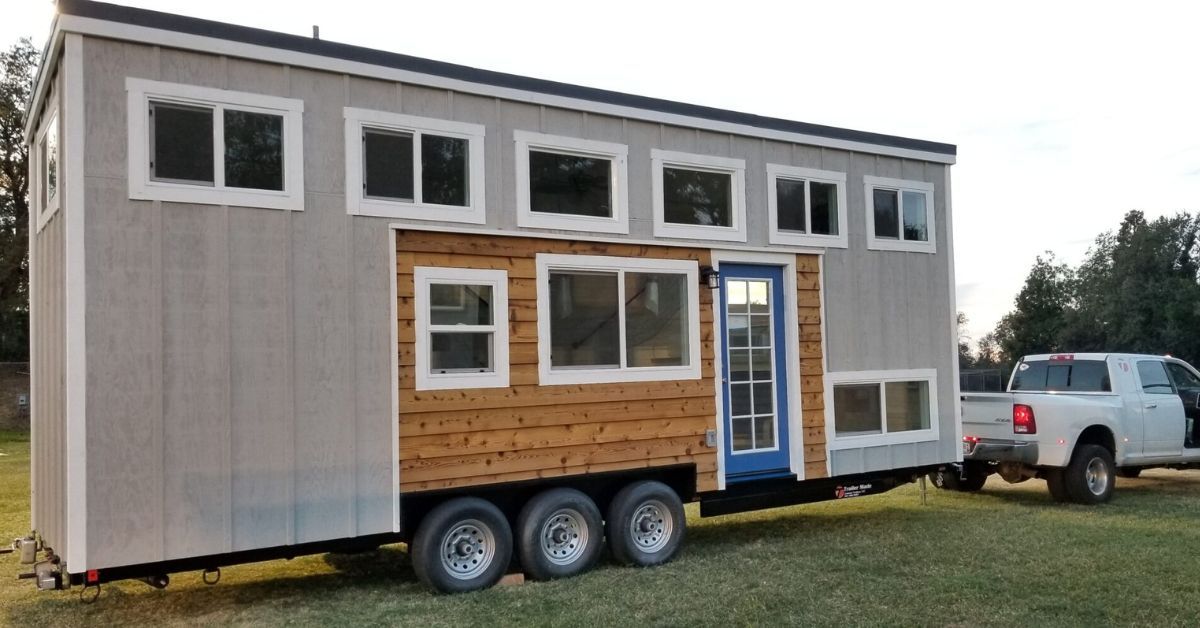
People use these words like they’re the same thing. They’re not. A tiny home trailer has wheels. That means it’s legally a vehicle in most counties. Which means RV rules apply. And RV rules in Colorado often say you can’t live in one full-time unless you’re in a licensed campground. Meanwhile, an ADU sits on a foundation. It connects to sewer, water, electric like a normal house. You can finance it more easily. Insure it without crying. And when you search “tiny house for sale near me in Colorado,” half the results will be trailers that don’t tell you about the 180-day camping limit. Read the fine print. Please.
Talking to Tiny House Experts Before You Buy Anything
I made this mistake once. Almost bought a unit from a guy on Facebook Marketplace. Seemed nice. Seemed legit. Then I ran it past some tiny house experts who asked three questions the seller couldn’t answer. Is this certified for cold weather? Does it have a composting toilet that meets county code? What’s the hitch weight? The guy just kept saying “it’s fine, it’s fine.” Spoiler: it wasn’t fine. So do yourself a favor. Find actual tiny house experts before you hand over a deposit. They’ll save you from the “I bought a shed with windows” regret that I’ve seen too many times.
Tiny House Code in Colorado Is a Moving Target
Here’s where it gets messy. Tiny house code in Colorado isn’t one set of rules. It’s like fifty different rulebooks stacked on top of each other. Some counties follow the international residential code appendix Q (that’s the good one). Others treat tiny houses like RVs. Others just shrug and say “we’ll figure it out when you apply.” I’m not exaggerating. I talked to a couple in Larimer County who waited eight months for a permit. Eight months. Their tiny house sat on a trailer the whole time. So when you search for “tiny house for sale near me in Colorado,” don’t just look at the house. Look at the county’s tiny house code PDF. It’s boring. Read it anyway.
Finding an ADU Builder Who Won’t Ghost You
Good ADU builders are backed up. Like, “call us in 2027” backed up. But there’s a trick. Look for builders who normally do garages or small additions. A lot of them will take an ADU project if you’re flexible on timeline. And here’s a secret: prefab ADU companies are getting faster. You can order a panelized unit, hire a local GC to finish it, and end up with something solid for way less than custom. Just make sure your ADU builder has done this before in your specific county. The permit guy at the county office knows who’s legit. Call and ask. They’ll tell you.
Is an ADU or a Tiny House Better for Colorado Winters?
Real talk. Colorado winters will eat a poorly built tiny house for breakfast. I’ve seen units with single-pane windows and half-inch insulation. The owner spent $400 a month on propane and still woke up shivering. If you’re looking at an ADU for sale, check the insulation rating. Ask for heating system specs. A good unit will have spray foam, double-pane windows, and either a mini-split or a small wood stove. A bad unit will look cute in July and turn into a freezer by December. Don’t learn this the hard way.
Conclusion: Stop Window Shopping and Start Asking Real Questions
Here’s the bottom line. Searching “tiny house for sale near me in Colorado” is the easy part. The hard part is finding one you can actually live in, legally, through a February snowstorm. Don’t skip the zoning homework. Don’t ignore the difference between a tiny home trailer and an ADU on a foundation. And for the love of everything, talk to tiny house experts and check the tiny house code in your specific county before you buy anything. An ADU for sale might be your best bet if you want to stay put without the parking nightmares. But whatever you choose, go in with open eyes. Colorado’s worth it. Just don’t let a pretty listing trick you into a bad situation. You’ve got this.