
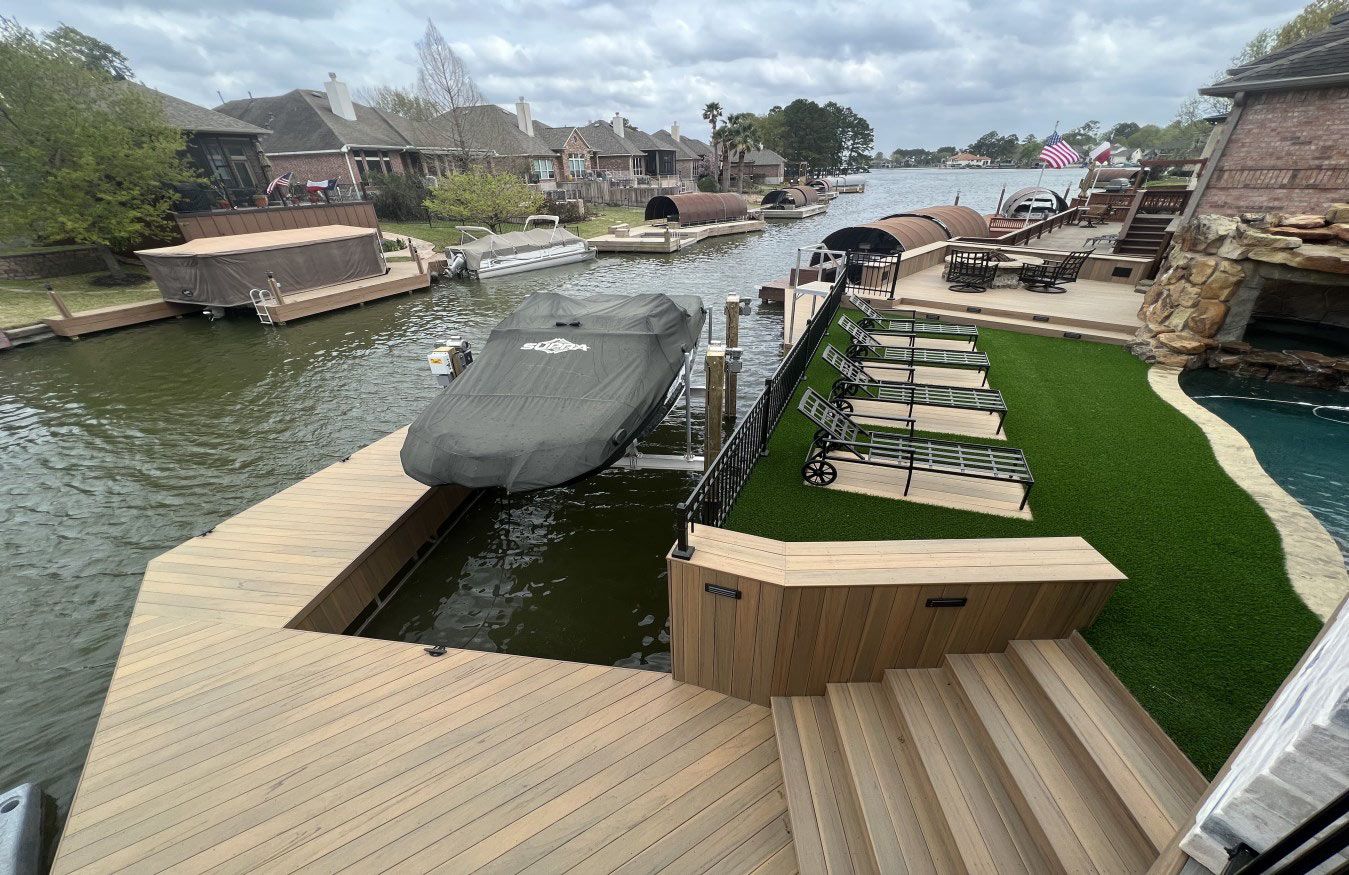
Look, building a deck isn’t rocket science, but hiring the wrong person to build it can turn into a headache that lasts years. If you’re searching for a local deck contractor, you’ve probably already noticed there’s a flood of names online and half of them look the same on paper. That’s the problem. A website with nice photos doesn’t tell you if the guy actually pulls permits or just shows up with a nail gun and hopes for the best. Before you sign anything, you need to slow down and ask the right questions, because this is your backyard we’re talking about, not some throwaway project.
Why Does Experience With Residential Deck Construction Actually Matter?
Experience isn’t just a buzzword contractors throw around to justify higher prices. Residential deck construction has its own quirks — soil conditions, local frost lines, how your home’s foundation ties into the new structure. A contractor who’s done fifty decks in your neighborhood knows things a guy from two counties over simply won’t. He’ll know which lumber holds up against your specific humidity, whether your HOA is picky about railing height, stuff like that. Ask to see actual completed projects, not just renderings. And don’t be shy about asking for addresses you can drive by. If they hesitate, that tells you something too.
Licensing, Insurance, and the Boring Paperwork Nobody Wants to Check
I get it, nobody wants to spend their Saturday reading through insurance certificates. But skipping this step is how homeowners end up footing the bill when a worker gets hurt on their property. Ask for proof of general liability and workers’ comp, and actually call the insurance company to confirm it’s active — contractors have been known to show expired paperwork hoping nobody checks. Same goes for licensing. Every state handles this a little differently, so look up your local requirements before you even start interviewing anyone. A legit local deck contractor won’t flinch when you ask for this stuff. They’ll have it ready.
What About Lake Properties and Marine Add-Ons?
This is where things get a little more specialized. If your property backs up to water, you’re not just thinking about a deck anymore, you’re thinking about how it connects to everything else on your waterfront — the dock, the shoreline, maybe even a Jet Ski Lift if you’re the type who actually uses the lake instead of just looking at it. Not every deck builder knows marine construction services, and that’s fine, but you need to know that going in. Some contractors specialize purely in residential decks and stop right at the water’s edge. Others handle the whole package. Figure out which one you’re hiring before you assume they can do both.
Materials: Composite, Pressure-Treated, or Something Else Entirely
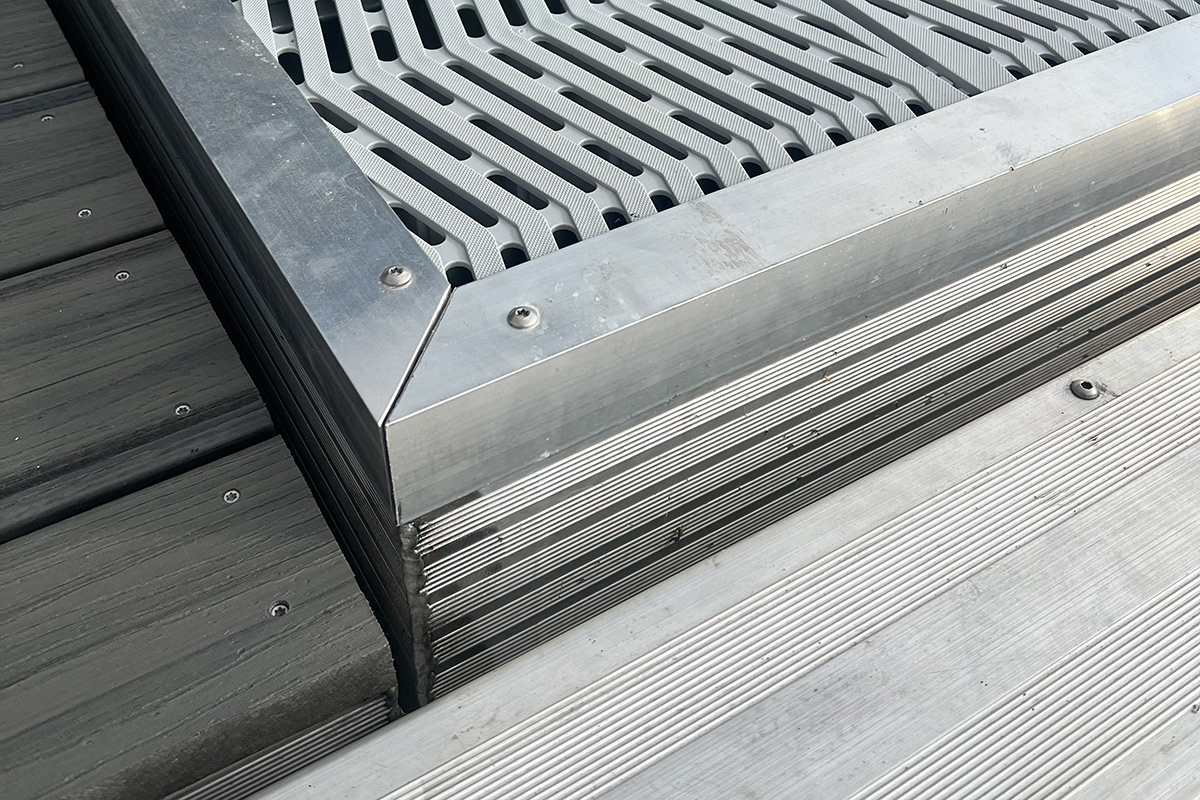
Everybody’s got an opinion on decking material and honestly most of them are valid depending on your budget and how much maintenance you’re willing to do. Composite boards cost more upfront but you’re not out there staining them every other summer. Pressure-treated wood is cheaper and looks great fresh, though it needs attention or it starts to gray and splinter faster than people expect. A good contractor should walk you through the tradeoffs without pushing you toward whatever makes them the most money. If they only pitch one material and brush off your questions about alternatives, that’s worth noticing.
How Does Dock and Bulkhead Work Tie Into Your Deck Project?
If you live anywhere near Lake Conroe, you already know this region has its own set of challenges — water levels shift, shoreline erosion is real, and a deck that connects to a failing bulkhead is a problem waiting to happen. A Lake Conroe Bulkhead needs proper engineering, not a patch job, and the companies that specialize as Bulkhead Builders Lake Conroe residents trust tend to understand things like soil retention and wave action in ways a standard deck crew just won’t. Same logic applies if you’re also looking into dock work. A Lake Conroe dock builder who’s handled marine dock construction for years will catch issues a landlocked contractor might miss entirely, things like proper pilings, water table shifts, stuff that doesn’t show up until it’s already a costly mistake.
Getting a Real Quote Instead of a Guess Scribbled on a Napkin
A detailed, written estimate protects both sides. It should break down labor, materials, permits, and any add-ons like railings or lighting, line by line, not just one big number at the bottom. If a contractor gives you a verbal quote and tells you not to worry about it, walk away. Seriously. Also ask about the payment schedule upfront. Reputable contractors don’t usually ask for the full amount before work even starts, and if someone’s pushing hard for that, it’s a red flag you shouldn’t ignore, even if everything else about them seems fine.
Timeline, Communication, and the Stuff That Goes Wrong Mid-Project
Every project hits a snag at some point, weather delays, material backorders, whatever. What separates a good contractor from a bad one isn’t whether problems happen, it’s how they communicate when they do. Ask upfront how they’ll keep you updated, whether that’s texts, calls, or a project manager checking in weekly. And get a realistic timeline in writing, not just “a few weeks” which can quietly stretch into two months if nobody’s holding anyone accountable. A contractor who sets honest expectations from day one is usually the one who finishes the job without drama.
Hiring a local deck contractor isn’t something you should rush through in an afternoon of Google searches. Take your time, check the paperwork, ask about materials, and if your property touches water, make sure whoever you hire actually understands marine work and not just standard backyard builds. For homeowners around the lake dealing with anything from a basic deck to a full Lake Conroe Bulkhead replacement or dock upgrade, The Boat Lift, Dock & Bulkhead Company has built a reputation for handling both the residential side and the trickier marine side without passing you off to three different subcontractors. That kind of one-stop experience saves headaches down the road, and honestly, that’s what you want when you’re investing real money into your property.