
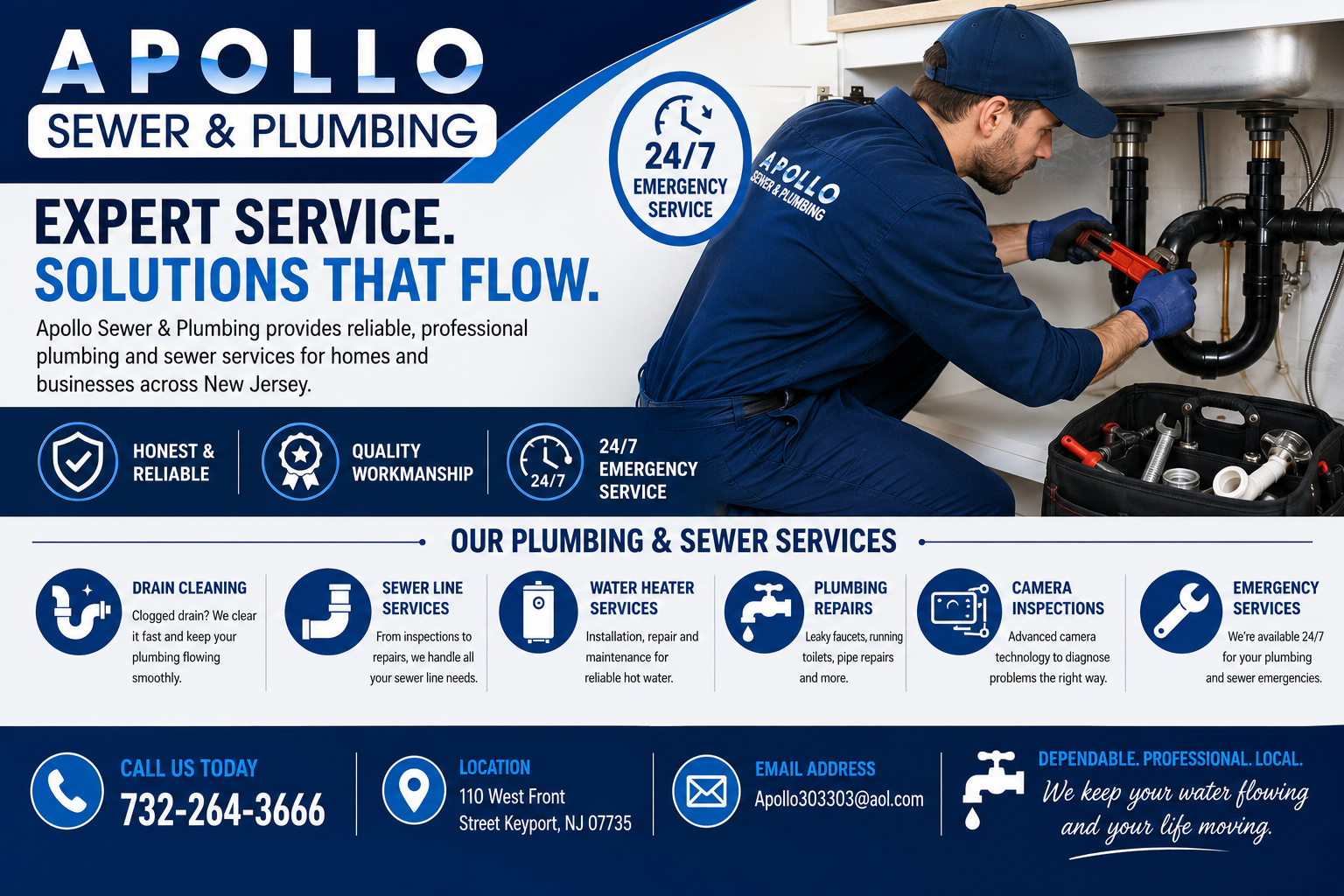
So you want a new kitchen sink. Good for you, honestly, most people wait way too long and just live with a chipped, stained basin because the thought of replacing it feels like a whole project. It kind of is. But it doesn't have to be a nightmare if you know what you're walking into first. I've done enough of these to tell you the mistakes people make aren't usually about the sink itself — they're about everything underneath it. And that's where Plumbing Fixture Installation Perth Amboy folks like us come in, because the pipes, the connections, the shutoff valves, all that stuff matters way more than the fancy new stainless bowl you picked out on sale.
Is Your Old Plumbing Ready For The Change?
Here's the thing nobody tells you at the hardware store. Your old plumbing was probably fitted for your old sink, and if the new one has a different configuration — different drain placement, different faucet holes, whatever — you might be dealing with more than a swap. Sometimes the supply lines are old and brittle, sometimes the shutoff valves haven't been touched in fifteen years and they just crumble the second you try to turn them. I've seen it happen more times than I can count, guy thinks it's a two hour job and it turns into a Saturday-ruiner. Check your valves first. If they're stiff or corroded, replace 'em before you even think about the new sink.
What Size And Style Actually Works For Your Space?
This part's less about plumbing and more about just... thinking it through. Undermount sinks look great but they need solid countertop support, so if you've got laminate counters that might not be your best bet. Drop-in sinks are easier, more forgiving, and honestly fine for most kitchens. Farmhouse sinks are having a moment but they're heavy, and they usually need cabinet modifications, which nobody mentions until you're already halfway in. Measure twice. Measure again after that. I mean it — the number one return item at plumbing supply stores is sinks that don't fit the cutout.
Do You Need A Permit For This?
Depends where you live, depends what you're doing. A straight swap, same size same spot, usually doesn't need one. But if you're moving the plumbing lines or changing the drain location, some towns want a permit and an inspection. It's annoying, I know. But skipping it can bite you later, especially if you ever sell the house and an inspector finds unpermitted work. Just call your local building department, takes five minutes, save yourself the headache.
What About The Septic System If You Have One?
If your home runs on a septic system rather than city sewer, this changes things a bit. New sinks with garbage disposals push more solid waste into your tank, and that adds up over time. We get calls constantly for Septic Tank Installation Monmouth County NJ jobs where the homeowner just installed a new sink and disposal without thinking about what that does downstream, literally. If you're on septic, either skip the disposal or make sure your tank's been pumped recently and is sized to handle the extra load. Don't just assume it'll be fine.
Should You Upgrade The Faucet At The Same Time?
Yes. Just — yes. Look, if you're already under the sink messing with supply lines, it makes zero sense to leave a fifteen year old faucet in place and deal with it leaking again in six months. Might as well knock it out together. Saves you labor costs down the road too, since a plumber's already there anyway.
What Tools And Materials Should You Have On Hand?
Plumber's putty, a basin wrench (trust me, you need this, regular wrenches don't reach), Teflon tape, new supply lines if the old ones look sketchy, and a bucket because water's gonna spill no matter how careful you are. It always does. Have towels ready too, more than you think you need.
Is This A DIY Job Or Should You Call A Pro?
Honestly? Depends on your comfort level and how your existing plumbing looks. A basic drop-in swap with matching connections, sure, a handy homeowner can knock that out in an afternoon. But once you're talking about moving pipes, dealing with old galvanized lines, or anything involving the disposal and septic tie-in, that's when it's worth calling in someone who does this every day. It's not about being unable to figure it out, it's about not wanting a leak behind your cabinet you don't notice for three weeks.
New kitchen sinks aren't complicated in theory, but the details underneath — the valves, the fit, the permits, the septic load if you've got one — those are what separate a smooth install from a weekend disaster. Take your time, check what you're working with before you buy anything, and don't be afraid to call in help for the parts that go beyond a wrench and some patience. A sink should last you a decade or two if it's put in right the first time.