
If you’re serious about building small, the trailer is the foundation. Not the cute cedar siding. Not the loft ladder you found on sale. The trailer. Custom built equipment trailers give you a base that actually fits your plan instead of forcing your plan to fit whatever steel rectangle you found on Craigslist. I’ve seen folks try to squeeze a dream tiny house onto a cheap flatbed. It works… until it doesn’t. Axles too light. Frame flexing. Tongue weight all wrong. Then you’re chasing problems before you even frame the first wall. With custom built equipment trailers, the shop builds around your load, your length, your width. That changes everything. Especially when you’re trying to meet tiny house code in more than one state. Codes don’t love improvisation. They love numbers. Loads. Ratings. Paperwork.
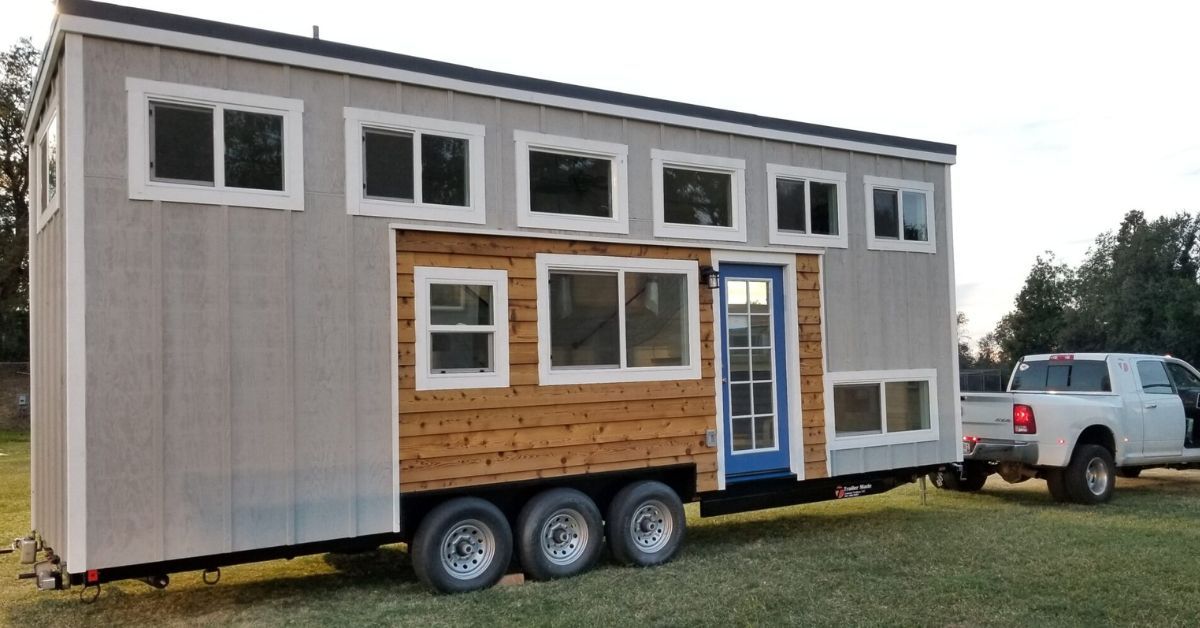
Custom Built Equipment Trailers Aren’t Just Steel, They’re Strategy
A trailer isn’t just a platform. It’s part of your strategy to stay legal, mobile, and safe. Tiny house code varies by city, county, mood of the inspector that morning. Some places treat your build like an RV. Others like an ADU for sale parked in the wrong spot. When your trailer is custom, you can spec axle ratings, brake types, frame height. That stuff matters when inspectors ask how much it weighs and how it stops. And they will ask. I’ve watched good builds fail inspection because the trailer paperwork was vague. No load rating. No VIN plate. Just “heavy duty” written on an invoice. That’s not gonna cut it. A custom shop can stamp numbers into steel. Real numbers. Makes your life quieter later.
Tiny House Code: The Part Nobody Wants to Read
Tiny house code isn’t fun reading. It’s dry. Confusing. Sometimes contradictory. But it’s the difference between sleeping in your tiny home for sale and towing it back to your cousin’s land because the city said no. Some codes care about ceiling height, stair angles, emergency egress. Others care about the trailer classification. Is it road legal. Is it considered temporary. Does it qualify as a Tiny House kit on wheels or a permanent structure. Custom built equipment trailers help here because you can build to the strictest common denominator. Wider stance for stability. Brakes on both axles. Proper lighting. You’re not trying to trick the system. You’re trying to survive it without losing weekends to paperwork hell.
Designing the Trailer Around How You Actually Live
Here’s the thing people don’t tell you. Your tiny house isn’t just a box. It’s your kitchen habits. Your work setup. Your dog. All that weight shifts. If you work remote and haul gear, that’s load. If you plan to rent it out as a tiny house for sale someday, buyers will ask about safety. Custom built equipment trailers let you move axles to balance weight under heavy zones. Kitchen, bath, battery bank. I’ve seen cookie-cutter trailers sag in the middle after a year. Not dramatic. Just enough to make doors stick. That slow stuff breaks your spirit. Build the trailer to match how you live, not how the internet says you should.
The Resale Angle Nobody Thinks About
Even if you swear this tiny home for sale will never happen, life laughs at plans. Jobs change. Relationships change. People outgrow ladders. When you go to sell, buyers get nervous about mystery trailers. They want specs. They want receipts. They want to know if this thing can be moved without drama. A custom trailer with documentation makes the sale smoother. It also opens doors for folks looking for an adu for sale that can be relocated. Some buyers want a Tiny House kit feel but built. Modular, but not flimsy. Your trailer is the first thing a serious buyer will crawl under and inspect. If it looks like a Frankenstein weld job, they’ll walk.
Budget Reality: Custom Costs More, But Not How You Think
Yeah, custom built equipment trailers cost more up front. No sugarcoating that. But cheap trailers cost more later. Repairs. Reinforcement. Towing issues. Fines if you get stopped and your brakes aren’t right. I’ve watched builders spend thousands fixing a trailer that was never meant to hold a full tiny house kit load. That money could’ve gone into insulation or solar. Or just not stressing out. When you factor in tiny house code compliance, the custom route often ends up cheaper over the long haul. Not cheaper on paper. Cheaper in headaches. And sleep.
Real Talk: Mobility Isn’t Just About Wheels
Everyone loves the idea of being mobile. Hitch up and go. But mobility means your build survives vibration, wind shear, potholes, the weird dip outside that one gas station. Custom built equipment trailers can be designed with lower deck height, better suspension options, and frame geometry that doesn’t twist every time you turn. That protects your walls, windows, plumbing. Tiny house code doesn’t care if your sink cracked on I-40, but your wallet will. If you plan to move more than once, don’t skimp on the part that actually touches the road.
Conclusion: Build the Base Right, Everything Else Follows
If there’s one place to be boring and strict, it’s the trailer. Custom built equipment trailers give you control over weight, balance, legality, and future options. Tiny house code is messy, but a solid foundation makes it navigable. Whether you’re planning to live in it forever, list a tiny house for sale, or pivot to an adu for sale later, the trailer decides how painful that journey is. Build the base right. The rest of the house can be creative. The base needs to be honest.